Designing the Perfect Personalized Produce Boxes: A Progressive Guide
Constructing custom produce boxes requires a deliberate strategy. Specialists must evaluate sustainability, practicality, and visual appeal. Picking the suitable materials is crucial for maintaining freshness and advancing eco-friendly methods. Moreover, size and shape can significantly influence usability and transport effectiveness. Effective visual elements strengthen company recognition, while thorough testing guarantees durability. Understanding these components will reveal key insights into creating remarkable packaging approaches that resonate to customers. What comes next is fundamental to accomplishing those goals.
Picking the Ideal Resources for Custom Produce Boxes
When selecting materials for custom produce boxes, it is vital to assess both functionality and environmental responsibility. The selection of material greatly affects the box's longevity, weight, and ability to protect the contents. Common materials include corrugated cardboard, which offers strength and is recyclable, making it a preferred choice for environmentally aware businesses. Compostable options, such as molded pulp or plant-based plastics, also comply with environmentally friendly practices while providing adequate protection for delicate produce.
Furthermore, moisture resistance is essential for preserving quality, encouraging some producers to investigate processed substrates or specialized coatings. The aesthetic appeal of the box is important to consider, detailed resource as branding and visual presentation can affect customer outlook. Ultimately, the right material should strike a balance between protecting the produce, appealing to customers, and adhering to environmental standards, guaranteeing that practicality and eco-consciousness are emphasized in the design process.
How to Decide on Size and Shape for Functionality?
When choosing the size and shape of custom produce boxes, careful assessment of produce measurements is crucial for effective storage. Additionally, attention to handling and transport can impact the box structure, ensuring ease of movement. Maximizing shelf space usage further improves functionality, allowing for efficient display and storage.
Assess Produce Dimensions Carefully
Assessing the suitable form and capacity for vegetable boxes is fundamental for functionality and efficiency. Accurate assessment of produce dimensions is indispensable, as it validates that goods fit snugly without excess space that could lead to damage during logistics and storage. Custom boxes need to accommodate assorted configurations, from delicate berries to heavy vegetables, while maintaining structural integrity. Furthermore, the depth and height of the boxes should enable organized stacking and inventory management, making full use of space in storage facilities. A well-designed box not only shields the produce but also enhances visual appeal for consumers. To sum up, measured analysis of dimensions contributes to minimizing losses and improving buyer experience in the supply chain.
Examine Handling and Transport Methods
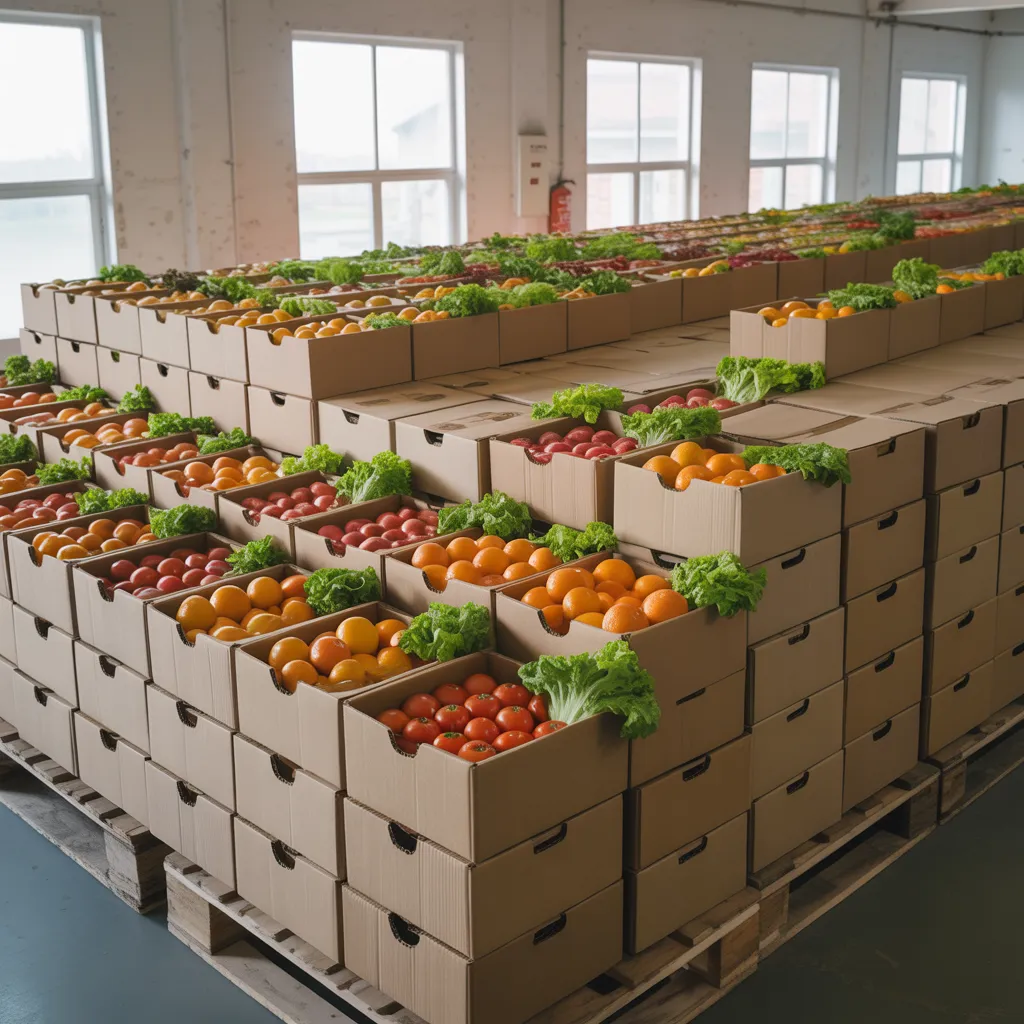
Handling and transport considerations have a significant role in determining the appropriate dimensions and shape of custom agricultural containers. The dimensions need to contain the items without excessive area, that might lead to shifting and harm in transit. Small boxes facilitate simpler management, while larger boxes may prove essential for bulkier products. Additionally, ergonomic design is essential; handles and access should get deliberately placed to allow for comfortable hoisting and carrying. The form relating to the container equally determines arrangement with stability, ensuring that products remain intact. Finally, careful consideration regarding such components strengthens the productivity in transport, decreases item loss, and supports the complete soundness of the produce beginning at farm toward buyer.
Improve Shelf Space Management
Efficient shelving efficiency relies upon choosing the appropriate size and shape of tailored fruit and vegetable containers. Designers should consider the dimensions of the shelving units as well as the varieties of fruits and vegetables being stored. Square-sided boxes often optimize space efficiency, allowing for easier stacking and alignment. Conversely, distinctive forms can enhance visual appeal but may result in wasted space if not thoughtfully designed.
It's essential to assess the stock movement metrics; quick-selling products might benefit from smaller, easily accessible boxes. Furthermore, implementing flexible or customizable structures can support varying sizes of produce while improving shelf organization. By emphasizing practical design combined with visual appeal, companies can develop a functional and attractive presentation that boosts both ease of access and item prominence.
How to Generate Visual Content That Attract Engagement?
Compelling artwork can transform a plain custom produce box into a visual masterpiece that draws attention. To achieve this, visual artists should start by picking a color palette that conveys the vigor and vibrancy of the produce. Bright, captivating colors can awaken feelings of freshness and health, compelling consumers to take a further look.
Using bold typography is also essential; readable typefaces can successfully convey key details while enhancing visual appeal. Furthermore, incorporating high-quality images of the items can establish instant rapport, displaying the item's excellence and attracting prospective customers.
In addition, incorporating unique patterns or illustrations can help differentiate the brand in a saturated market. Consistency in visual aspects, such as logos and taglines, supports brand identity. Ultimately, a mixture of artistic vision and straightforwardness in visual design can substantially improve the impact of custom produce boxes, making them stand out on shelves.
Green Practices for Custom Produce Box Protective Covering
A expanding volume of businesses are embracing green techniques for custom produce box packaging, recognizing its importance in today's environmentally conscious market. These initiatives often include the use of organic materials, such as recycled paper and plant-based plastics, which minimize environmental impact. Companies are also working on sustainable sourcing, ensuring that materials are obtained from responsibly managed forests or suppliers who support environmental stewardship.
In turn, numerous brands are going with understated formats that minimize waste while still efficiently displaying their products. This approach not only resonates with environmentally aware consumers but also helps in lowering production costs. Moreover, businesses are increasingly applying effective manufacturing processes that limit energy consumption and waste generation. By incorporating these eco-friendly practices, companies not only enhance their brand image but also contribute positively to the planet, positioning their operations with a sustainable future.
Testing Your Personalized Produce Box Design
Evaluating the format of custom produce boxes is a critical step in making sure they fulfill both visual and functional criteria. This process commonly requires reviewing factors including toughness, measurements, and usability. First, trial models should be made to assess the container's structural integrity, verifying it can withstand movement and holding without compromising the goods.
Subsequently, usability evaluations can be initiated to establish how easily the boxes can be opened, closed, and stacked. Input from future users can be vital in this step, communicating understanding into the box's practicality.
In addition, the design's aesthetic value should be tested through focus groups or surveys, gauging audience responses to branding elements, color selections, and overall presentation.
In the end, comprehensive testing permits designers to enhance the box, guaranteeing it not only appeals to customers but also adequately safeguards and displays the produce within, achieving the right balance between form and function.
Showcasing Your Bespoke Produce Boxes Successfully
Successful marketing of custom produce boxes demands a strategic approach that highlights their distinctive advantages and value. Businesses should concentrate on identifying their intended customers, such as local farms, grocery stores, or individual consumers. Utilizing social media platforms can boost brand awareness, showcasing the boxes' appearance and functionality through engaging visuals and storytelling.
Additionally, teaming up with neighborhood advocates and farming professionals can strengthen standing and enlarge reach. Featuring incentives or cost savings during peak demand times can win over initial consumers and encourage repeat business.
Additionally, highlighting sustainability and eco-friendliness in marketing materials can appeal to eco-aware buyers. Providing comprehensive details about the materials used and the benefits of custom packaging can further differentiate the offering in a crowded marketplace.
Ultimately, a thorough promotional plan that integrates online and community-based initiatives will successfully advertise custom produce boxes, attracting a varied clientele and boosting sales.
Commonly Asked Queries
What Do the Charges Related to Custom Produce Box Design?
Costs connected to custom produce box design include raw materials, print work, labor, and shipping. Additionally, design services and minimum order quantities can affect overall costs, resulting in different prices based on specific requirements and production scale.
How long Does It Take to Create Custom Boxes?
Production of custom boxes generally requires two to six weeks. Important elements affecting this schedule involve design complexity, sourcing of materials, and production capacity, all of which can influence shipping timelines and delivery windows.
Is it Possible to Buy a Small Volume of Custom Produce Boxes?
Yes, small volumes of custom produce boxes can generally be ordered. Many suppliers deliver minimum order quantities, allowing firms or consumers to get tailored packaging options without having to commit to large quantities initially.
What Common Pitfalls Should You Steer Clear Of When Designing Bespoke Packaging?
Common pitfalls in custom box creation include failing to address functionality, disregarding brand consistency, downplaying material quality, failing to consider target audience preferences, and neglecting environmental impact. Each aspect is essential for effective packaging and customer satisfaction.
What Precautions Should I Take to Confirm My Boxes Are Food Safe?
To ensure boxes maintain food-grade status, individuals must pick materials approved for food contact, avoid dangerous inks and adhesives, maintain cleanliness during production, and routinely evaluate for compliance with health regulations and safety standards.